AbleCloset San Carlos, CA

Lending library of pediatric equipment for special needs children

  • AbleCloset provides loans of specialized pediatric equipment to families with kids with special needs to care for their child. These loans can help families and therapists try out various pieces of equipment to see what works best before ordering the child’s own. The loans can provide equipment to use while families are waiting for their equipment to be funded and provided.

  • AbleCloset is an all-volunteer organization, dedicated to providing equipment at no cost to children with special needs. You can support us by volunteering, donating equipment in good condition or with a cash donation.

Autism Speaks

Advocacy, services, and research for people with autism.

Autism Speaks is dedicated to creating an inclusive world for all individuals with autism throughout their lifespan. We do this through advocacy, services, supports, research and innovation, and advances in care for autistic individuals and their families.

Ensure access to reliable information and services across the lifespan
Support research and innovation that drives towards improved quality of life and well-being for individuals with autism throughout their lives

Leverage our assets through advocacy, partnerships and collaboration to support, extend and convene the work of service providers
Accelerate delivery of solutions for adult quality of life needs, including transition, employment, housing and health and wellness
Live and promote principles of diversity, equity, access and inclusion both in and outside of the organization

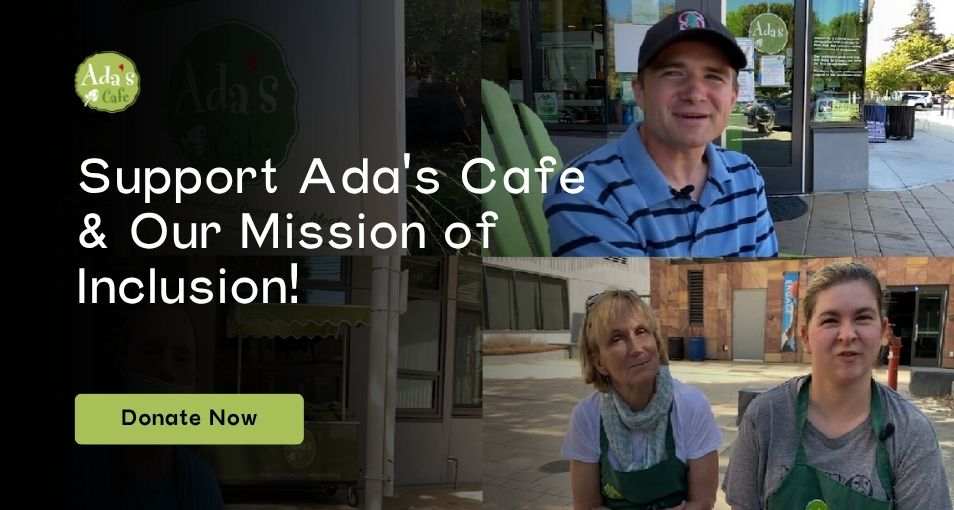
Adas Cafe Palo Alto, CA

non-profit corporation dedicated to hiring, training and empowering our employees with disabilities.

As the mother of a child with a developmental disability, Kathleen wanted to create opportunities to empower her son and help him be independent.
As Charlie started middle school, Kathleen was inspired to set up a cafe which taught cooking skills to students with special needs. She continued the mission at Charlie’s high school, where she set up a cafe run collaboratively by students in the special day class and their high school peers.
The idea and resolve for Ada’s came from Kathleen’s personal experience and she now takes over as a chef, mother, activist, and advocate for her employees. Her passion for elevating the lives of adults with disabilities inspires a strong work ethic and fosters a warm and welcoming community. Kathleen is honored and humbled to be entrusted with the growth, care and elevation of her employees.

Memorial Day: Honoring Service & Accessibility for All Vets

Memorial Day, observed on the last Monday in May, is a solemn occasion dedicated to honoring the men and women who died while serving in the U.S. military. Unlike Veterans Day, which celebrates all who have served, Memorial Day specifically commemorates those who made the ultimate sacrifice in defense of our nation. Across the country, families, communities, and organizations gather at cemeteries, memorials, and public events to pay tribute to these heroes, often by placing flowers or flags on graves, attending ceremonies, and participating in moments of remembrance.

Accessibility and inclusion are essential when honoring all veterans, especially those living with disabilities. Many veterans return from service with visible and invisible wounds, and it is vital that our commemorations and support systems reflect their needs. National memorials, such as the American Veterans Disabled for Life Memorial in Washington, D.C., stand as powerful reminders of the sacrifices made by disabled veterans from all eras. This memorial, with its accessible design and storytelling panels, honors not only those who died, but also those whose lives were forever changed by their service.

Ensuring accessibility on Memorial Day means making events, ceremonies, and public spaces welcoming to all. This can include providing wheelchair-accessible paths at cemeteries and memorials, offering sign language interpreters at ceremonies, and ensuring that information about events is available in multiple formats. Many organizations also offer virtual tours of memorials and online tributes, allowing those who cannot attend in person to participate and honor the fallen from home.

Supporting veterans with disabilities goes beyond Memorial Day. The Department of Veterans Affairs (VA) provides a wide range of resources, including disability compensation, accessible housing grants, employment support, and healthcare services tailored to the unique needs of disabled veterans. Community organizations and nonprofits also play a crucial role, offering volunteer opportunities, adaptive housing, and career development programs to help veterans live independently and thrive after service.

Families and communities can get involved by volunteering to place flowers at graves, supporting organizations that build accessible homes for veterans, or simply reaching out to veterans in their lives to offer thanks and companionship. These acts of remembrance and support help ensure that the sacrifices of all veterans—especially those who live with disabilities—are honored not just on Memorial Day, but every day of the year.

By making Memorial Day observances accessible and supporting veterans with disabilities, we uphold the true spirit of the holiday: honoring the fallen, recognizing the ongoing sacrifices of those changed by service, and ensuring that every veteran is remembered and respected.


References:

  1. https://www.hfotusa.org/difference-memorial-day-veterans-day/
  2. https://www.defense.gov/spotlights/Memorial-Day/
  3. https://news.va.gov/140183/memorial-day-observances-events-across-country/
  4. https://cypressvillageretirement.com/blog/remembering-the-fallen-memorial-day/
  5. https://www.usinspect.com/blog/5-ways-celebrate-memorial-day/
  6. https://www.dav.org/learn-more/news/2024/the-story-behind-the-memorial-honoring-all-veterans-changed-by-service/
  7. https://accessibilityservices.com/accessible-memorial-day-activities/
  8. https://www.va.gov/REACH/challenge/living-with-a-disability/
  9. https://www.va.gov/housing-assistance/disability-housing-grants/
  10. https://www.nvti.org/resources/useful-resources/serving-veterans-disability-accessibility-needs/
  11. https://supplychaingamechanger.com/how-to-support-veterans-on-memorial-day/
  12. https://disabilityin.org/what-we-do/veteran-initiatives/
  13. https://news.va.gov/125549/difference-between-veterans-day-memorial-day/
  14. https://www.vehiclesforveterans.org/5-ways-to-honor-veterans-and-soldiers-on-memorial-day/
  15. https://www.lockefuneralservices.com/blog/post/10-meaningful-memorial-day-traditions-to-honor-a-veteran-loved-one
  16. https://www.dav.org/get-help-now/
  17. https://www.usa.gov/features/programs-and-services-for-veterans

Family Fun Summer Activities for Kids with Special Needs

Summer is a wonderful time for families to relax, explore, and make new memories, but it can also present unique challenges for families of children with special needs. The key to a successful summer is planning activities that are inclusive, adaptable, and supportive of each child’s strengths and interests. With a little creativity and flexibility, families can enjoy a season filled with fun, learning, and connection.

Many traditional summer activities can be easily adapted to accommodate different abilities. For example, water play is a favorite for many children and can be set up with sprinklers, water tables, or kiddie pools in the backyard. Adding sponges, floating toys, or even creating a simple water obstacle course can provide both sensory stimulation and physical activity. Nature scavenger hunts, gardening, and outdoor crafts—like leaf rubbings or painting rocks—are also excellent ways to engage children in the outdoors while supporting sensory and fine motor development.

It’s important to offer sensory-friendly options and quiet spaces, especially for children who may become overwhelmed by noise or crowds. Setting up a hammock, tent, or picnic blanket in a shaded area can provide a peaceful retreat for reading, listening to music, or simply enjoying nature1. Sensory bins filled with sand, rice, or water beads are another great way to provide calming, tactile play that can be enjoyed indoors or outside.

Socialization and inclusion are essential for building confidence and friendships. Consider organizing inclusive playdates, family game nights, or group outings to accessible parks, museums, or adaptive sports programs. Many communities now offer inclusive camps, adaptive swimming lessons, and accessible recreation days, giving children with special needs the chance to try new activities in a supportive environment. Peer buddy programs and group projects can also foster teamwork and a sense of belonging.

Visual supports, clear instructions, and social stories can help children anticipate and navigate new experiences, reducing anxiety and promoting independence. Before heading out, preview the day’s activities with a social story or visual schedule, and involve your child in planning by offering choices. This approach empowers children and helps them feel more in control of their summer adventures.

Finally, don’t forget to explore local resources—many organizations, parks, and libraries offer inclusive programming and events designed for children with disabilities. Whether you’re planting a garden, visiting a zoo, or simply enjoying a quiet afternoon at home, the most important thing is to create joyful, meaningful experiences that celebrate your child’s unique abilities and interests. With thoughtful planning and a spirit of adventure, summer can be a season of growth, connection, and fun for the whole family.

Commencement Prep: Graduation Tips for Students with IEPs

Graduation is a major milestone for all students, but for those with Individualized Education Programs (IEPs), it also marks a significant transition in services and supports. Preparing for commencement requires thoughtful planning to ensure students are ready not just for the ceremony, but for life beyond high school. Early and purposeful transition planning is key—ideally beginning as early as middle school—to set the foundation for a successful post-secondary journey.

One of the most important steps is to understand your school’s graduation requirements and how they intersect with your child’s IEP. Parents and students should regularly review coursework, credits, and diploma options with the IEP team. In many states, students with IEPs may have access to alternate pathways to graduation, such as modified curriculum or extended time, but it’s crucial to keep students on the diploma track as long as possible to maximize opportunities. Discuss with your team whether accommodations or modifications are needed, and ensure all supports are documented and implemented.

Transition planning must be a central focus of the IEP by age 16 (or earlier in some states). This includes developing an Individual Transition Plan (ITP) that outlines goals for education, employment, and independent living after graduation. The ITP should be tailored to the student’s strengths, interests, and aspirations, and include concrete steps and services—such as vocational training, college exploration, or independent living skills assessments. Involving outside agencies (like vocational rehabilitation or regional centers) in transition meetings can help build a robust support network for adulthood.

As graduation approaches, the IEP team should provide a Summary of Performance (SOP), detailing the student’s academic achievements, functional performance, and recommendations for future supports. This document is valuable for accessing accommodations in college, vocational programs, or employment. Encourage students to participate in their own IEP meetings and decision-making processes, fostering self-advocacy and independence that will serve them well after high school.

Finally, remember that once a student graduates with a regular diploma, special education services through the school district end. This makes it essential to ensure all necessary supports, community connections, and transition plans are in place before commencement. If a student needs more time to meet graduation requirements, explore options to extend their education until age 21 or 22, as allowed in many states. Open communication, detailed planning, and a collaborative approach will help ensure that graduation is a celebration of readiness for the next chapter.


References:

  1. https://www.responsivelearning.com/2022/01/11/3-ways-to-prepare-students-with-disabilities-beyond-graduation/
  2. https://www.php.com/transition-planning-teens-tweens/
  3. https://undivided.io/resources/high-school-graduation-options-for-students-with-disabilities-in-california-478
  4. https://disabilityrightsaz.org/resource/graduation-of-students-with-disabilities-how-can-i-ensure-my-child-graduates-in-4-years/
  5. https://www.makespecialeducationwork.com/blog/planning-for-transition-before-graduation-1
  6. https://texasprojectfirst.org/en/graduation-by-iep/
  7. https://tea.texas.gov/academics/special-student-populations/special-education/programs-and-services/state-guidance/graduation-guidance
  8. https://www.spedadulting.com/graduation/
  9. https://mcandrewslaw.com/publications-and-presentations/articles/graduation-students-ieps/

Celebrating Mother’s Day: Parent Voices in Special Ed

Mother’s Day in special education is a profound celebration of love, advocacy, and resilience. For families of children with disabilities, mothers often serve as the backbone—navigating complex systems, advocating fiercely, and showing unconditional belief in their children’s potential. Their daily lives may include juggling therapy appointments, school meetings, and medical care, all while maintaining a nurturing home environment. These mothers are not only caregivers but also tireless champions who create access and opportunity where there may have been none before.

The voices of mothers in special education are powerful and varied. Many reflect on the unique strength required to advocate for their children, especially in moments when the world may not fully understand or support their needs. For some, like Ashley Glears, whose mother became a speech-language pathologist to ensure her daughter’s voice would be heard, the journey is marked by relentless preparation and a refusal to let societal assumptions define their child’s future. Others, like Chloe Rothschild, credit their mothers for instilling self-advocacy skills and ensuring they participated in their own IEP meetings from a young age, fostering independence and confidence.

The emotional labor of special needs parenting is immense. It’s a 24/7 commitment that often continues into adulthood, with mothers balancing the needs of their child, other family members, and their own well-being. Their struggles—managing appointments, advocating for services, and coping with uncertainty—are often invisible to others. Yet, their resilience shines through, as they find ways to celebrate progress, however small, and remain steadfast supporters in their children’s lives.

In the context of special education, the importance of parent voice cannot be overstated. Parents are the first teachers and lifelong advocates for their children, bringing unique perspectives and insights that can improve educational outcomes and school programming. When schools actively include parent voices in decision-making, students benefit from more personalized support and higher rates of success. Diverse family input helps educators understand what truly matters and ensures that every child’s needs are considered from day one.

As we honor Mother’s Day, it’s also essential to recognize the need for inclusive celebrations. Not all families look the same, and educators can ensure that every child feels seen by offering flexible, inclusive activities that celebrate any special adult in a child’s life. This approach not only respects diverse family structures but also reinforces the message that every caregiver’s love and advocacy matter.

Mother’s Day is a time to salute the extraordinary mothers and caregivers in special education. Their unwavering love, strength, and advocacy transform lives and inspire entire communities. By listening to and uplifting parent voices, we create a more inclusive, supportive, and successful environment for all children and families in special education.


References:

    1. https://arcmi.org/2025/05/06/people-with-disabilities-reflect-on-their-moms-this-mothers-day/
    2. https://smileawhilefoundation.org/celebrating-special-needs-moms-a-tribute-to-their-love-dedication-and-strength/
    3. https://differentbrains.org/shout-special-needs-moms-mothers-day/
    4. https://goodreasonhouston.org/seven-reasons-why-parent-voice-matters-in-schools/
    5. https://www.rainbowfamilies.com.au/how_to_be_inclusive_educators_on_days_that_celebrate_mums_and_dads
    6. https://teachmetotalk.com/2021/05/08/supporting-the-needs-of-moms-for-mothers-day/
    7. https://www.findingcoopersvoice.com/2019/05/11/special-needs-mom-mothers-day/
    8. https://www.reddit.com/r/Autism_Parenting/comments/1cpypyl/nd_mothers_day_sadness/
    9. https://www.teacherspayteachers.com/browse?search=mothers+day+special+education


Mental Health Awareness Month: Self-Care for Caregivers & Educators

May is Mental Health Awareness Month, a crucial time to spotlight the well-being of caregivers and educators who often put others’ needs before their own. The daily demands of teaching or caregiving can lead to chronic stress, burnout, and even depression if self-care is neglected. Recognizing and addressing these challenges is not just beneficial for adults, but also essential for the children and students who rely on their support.

Self-care means intentionally taking time for activities that support your physical and mental health. This includes regular exercise—even a daily walk can boost mood—eating balanced meals, staying hydrated, and ensuring quality sleep. Setting clear boundaries between work and personal life is also vital; allocate time for relaxation, hobbies, and meaningful connections with loved ones to recharge and prevent burnout. Remember, self-care is not selfish—it’s necessary for sustaining your ability to care for others.

Incorporate mindfulness practices such as deep breathing, meditation, or yoga into your daily routine to help manage stress and increase focus. Even short moments of mindfulness throughout the day can make a significant difference. Journaling is another effective tool for processing emotions and reducing anxiety—simply writing down thoughts, feelings, or things you’re grateful for can help you gain perspective and foster resilience.

Caregiving and teaching can sometimes feel isolating, so it’s important to stay connected with supportive networks. Reach out to friends, family, or professional groups to share experiences and seek advice. Participating in support groups—either in-person or online—can provide a sense of community and practical strategies for coping with challenges. Don’t hesitate to ask for help or accept offers of assistance, and consider accessing respite care or community resources when you need a break.

It’s normal to experience stress, but persistent sadness, anxiety, or exhaustion may signal a need for professional support. Pay attention to signs of burnout or depression, such as lack of motivation, sleep problems, or feeling overwhelmed. Seeking help from a counselor or mental health professional is a sign of strength, not weakness. Many organizations offer confidential screenings, hotlines, and counseling services tailored for caregivers and educators.

Focusing on positive moments, however small, can shift your mindset and improve well-being. Try ending each day by reflecting on what went well or writing down three things you’re grateful for. Celebrating small achievements—whether it’s a successful lesson, a breakthrough with a student, or simply making time for yourself—reinforces self-compassion and helps build emotional resilience.

By making self-care a daily priority and utilizing available resources, caregivers and educators can better manage stress and maintain their own mental health. This not only benefits their well-being but also strengthens their ability to support the children and families who depend on them.


References:

  1. https://www.ohioshospice.org/?p=25255
  2. https://www.nasponline.org/resources-and-publications/resources-and-podcasts/school-safety-and-crisis/mental-health-resources/care-for-caregivers-tips-for-families-and-educators
  3. https://www.nimh.nih.gov/health/topics/caring-for-your-mental-health
  4. https://premierfamily.net/self-care-strategies-for-mental-health-awareness-month/
  5. https://creativelyfocused.net/supporting-mental-health-in-students-and-teachers/
  6. https://www.procaresoftware.com/blog/five-steps-to-prioritize-mental-health-for-early-childhood-educators/
  7. https://alzfdn.org/tips-to-help-caregivers-combat-depression-during-mental-health-awareness-month/
  8. https://mhanational.org/mental-health-resources-caregivers

Celebrating National Teacher Appreciation Week (May 5–9, 2025)

National Teacher Appreciation Week, taking place from May 5 to May 9, 2025, is a dedicated time for communities, schools, and families to honor the dedication and impact of teachers across the country. This week, which includes National Teacher Day on May 6, is more than a tradition—it’s a vital opportunity to recognize the tireless work, creativity, and care that educators bring to their classrooms every day.

Teachers play a central role in shaping the future, inspiring a love for learning, and nurturing the personal and academic growth of their students. Their influence goes far beyond academics; they serve as mentors, advocates, and role models, often going above and beyond to ensure every child feels seen and supported. By celebrating Teacher Appreciation Week, we acknowledge not just their professional expertise but also their compassion and commitment to student success.

Expressing gratitude can take many forms, from simple handwritten notes and poems to creative gestures like a red carpet welcome or themed award ceremonies. Students and families might write heartfelt letters, bake treats, or organize small tokens of appreciation. Schools can coordinate group gifts, host special lunches, or encourage students to share stories about how teachers have made a difference in their lives. These acts, whether big or small, help boost teacher morale and foster a positive school culture where everyone feels valued.

For special education teachers, recognition is especially meaningful. Their work requires patience, adaptability, and a deep understanding of diverse needs. Gifts such as classroom resources, board games, or even a simple thank-you note from a student or family can be deeply appreciated. Community businesses can also join in by offering discounts or special treats to teachers during this week.

Ultimately, Teacher Appreciation Week is about turning gratitude into action—advocating for policies that support educators, sharing their stories, and ensuring they have the resources they need to thrive. By coming together to celebrate and support teachers, we reaffirm their invaluable role in our schools and communities, not just during this week, but all year long.


References:

  1. https://www.nea.org/TAW
  2. https://www.tempositions.com/blog/when-is-us-teacher-appreciation-week-2025/
  3. https://www.teachersoftomorrow.org/blog/insights/when-is-teachers-appreciation-week-in-2025/
  4. https://moreland.edu/resources/blog-insights/teacher-appreciation-week-what-you-need-to-know
  5. https://www.teachersoftomorrow.org/blog/insights/teachers-appreciation-week-ideas/
  6. https://www.mrsdscorner.com/teacher-appreciation-gift-ideas/
  7. https://www.101mobility.com/blog/how-to-celebrate-special-needs-teacher-appreciat/

Earth Day (Apr 22): Accessible Nature Activities

Earth Day is a perfect opportunity to connect all children—including those with disabilities—to the wonders of the natural world. With thoughtful planning and a focus on accessibility, families and educators can ensure everyone enjoys and benefits from outdoor activities. Here are some inclusive, practical ideas and strategies for making nature accessible to all.

Choose parks, gardens, or trails that use universal design principles, ensuring paths are wide, level, and free from barriers. Many accessible playgrounds and parks now feature ramps, cushioned surfaces, sensory gardens, and quiet spaces for children who may become overwhelmed. Natural play areas that engage fine and gross motor skills, offer creative spaces, and facilitate contemplative time tend to keep all children engaged longer and more meaningfully.

Nature is a multisensory classroom. Plan activities that encourage using all senses: smelling flowers or tree bark, touching different textures (leaves, stones, water), listening for birds or rustling leaves, and watching clouds or wildlife. Sensory trails and gardens are especially beneficial for children who rely more on certain senses, and environmental educators can help facilitate these experiences, making them joyful and memorable for everyone.

Seek out accessible trails, beaches, and parks with paved paths and ADA-compliant features. Many regions offer detailed guides to accessible outdoor spaces—look for local resources or consult websites that list inclusive parks and trails. In California, for example, there are numerous accessible playgrounds, nature trails, and even beaches designed with mobility needs in mind. Wheelchair-accessible trails and gardens, like those in the Bay Area and beyond, make it possible for everyone to participate in Earth Day adventures.

Leverage community networks and volunteer programs that provide adaptive equipment or support for children with mobility challenges. Some organizations offer specialized mobility devices or volunteer assistance, enabling children to experience hiking, birdwatching, or gardening alongside their peers. Paraprofessional support and individualized nature programs can also ensure that children’s health and personal needs are met during outdoor activities.

Outdoor learning can include gardening, collecting natural materials for art projects, or simple scavenger hunts. These activities can be tailored to each child’s abilities, supporting both fine and gross motor development. For group events, consider assigning roles so everyone can contribute—watering plants, identifying birds, or helping with a clean-up project fosters teamwork and inclusion.

Inclusion is most successful when families and children are involved in planning. Gather input on what activities are most enjoyable and accessible, and offer choices to empower participation. Community events, pop-up nature programs, and accessible park days can bring families together and create lasting connections to nature.

By focusing on accessibility, sensory engagement, and community collaboration, Earth Day becomes a celebration that truly includes everyone—helping all children develop a lifelong love of the outdoors and a sense of stewardship for our planet.


 

References:

  1. https://www.childrenandnature.org/resources/fnn-the-dignity-of-risk-creating-a-system-of-care-to-support-children-with-disabilities-in-accessing-nature/
  2. https://undivided.io/resources/accessible-activities-for-kids-in-california-171
  3. https://www.ameridisability.com/10-sensory-friendly-activities-to-do-outdoors-this-spring/
  4. https://aclibrary.org/blogs/post/interacting-with-nature-a-disabled-perspective/
  5. https://igniteachievementacademy.com/blog/outdoor-learning-activities-for-special-needs-students
  6. https://www.wilderness.org/articles/blog/5-ways-make-outdoors-more-accessible-people-disabilities
  7. https://www.adaptivemall.com/adapted-outdoor-activities
  8. https://www.nchpad.org/resources/outdoor-physical-activity-resources-for-people-with-disabilities/
  9. https://baynature.org/article/bay-area-resources-for-accessible-outdoors/